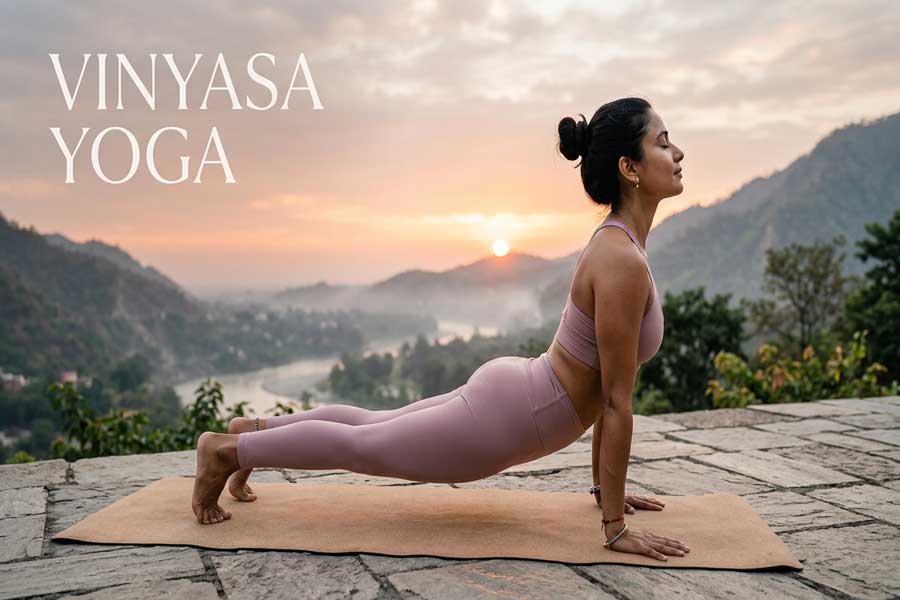
Vinyasa yoga is one of the most popular and dynamic styles of yoga practiced today. It combines movement with breathing to create a smooth and natural flow. If you are looking for a workout that improves flexibility, builds strength, and helps calm your mind, this style of yoga is a great place to begin.
In today’s fast-paced life, many people struggle with stress, low energy, and lack of physical activity. Practicing vinyasa yoga for beginners at home can help you stay active, improve focus, and feel more balanced without needing a gym or expensive classes.
This yoga flow is known for its continuous movements connected with the breath. It creates a natural rhythm between the body and mind, making your practice feel like a moving meditation while also improving overall fitness.
What is Vinyasa Yoga for Beginners?
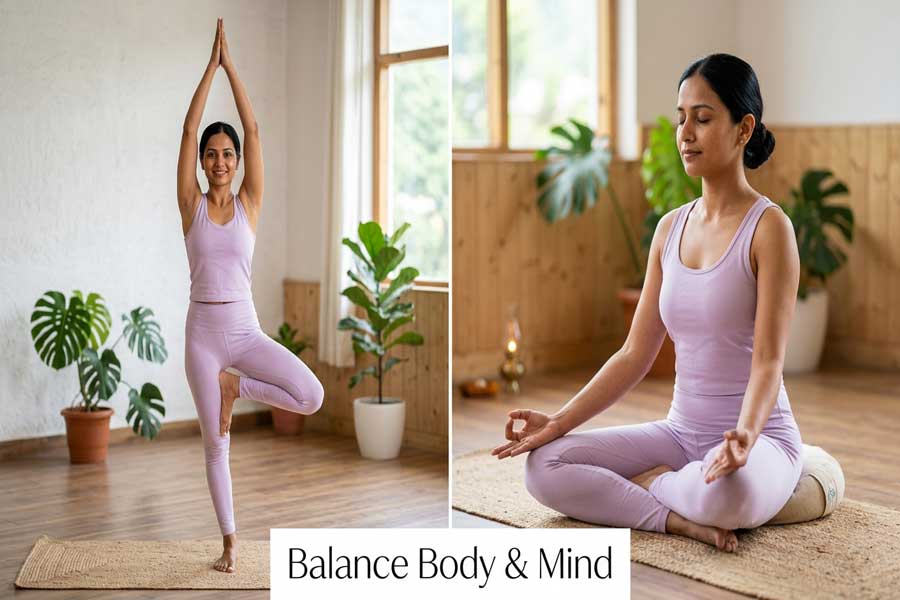
Vinyasa yoga is a style of yoga where you move smoothly from one pose to another in a continuous flow, guided by your breath. The word “vinyasa” means “to place in a special way,” which refers to connecting each movement with breathing.
Unlike slower yoga styles, this yoga flow is more dynamic and energetic. It helps improve both physical fitness and mental clarity by keeping the body active and the mind focused.
A typical vinyasa yoga session includes:
- Flowing yoga poses (asanas)
- Controlled breathing techniques (pranayama)
- Smooth and mindful transitions between poses
- A short relaxation phase at the end
Benefits of Yoga Flow Practice
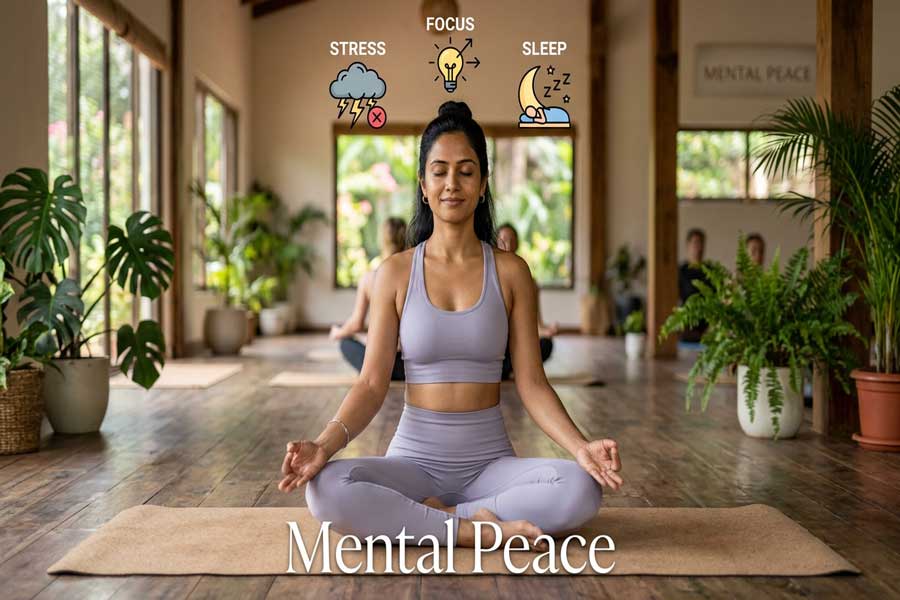
Benefits of Vinyasa Yoga Practice
Vinyasa yoga offers a wide range of benefits for both the body and mind when practiced regularly. This dynamic yoga flow not only improves physical fitness but also supports mental well-being and overall energy levels.
1. Improves Flexibility and Strength
Vinyasa yoga includes a variety of poses that gently stretch and strengthen different muscle groups. With regular practice, your body becomes more flexible, stable, and physically strong.
2. Supports Weight Management
The continuous flow of movements keeps your body active and increases calorie burn. This makes it a helpful option for maintaining a healthy weight and improving overall fitness.
3. Reduces Stress and Anxiety
The combination of breathing and movement helps calm the mind and relax the nervous system. It allows you to release stress and feel more balanced.
4. Improves Heart Health
This yoga flow works like a light cardio workout. It improves blood circulation, supports heart health, and keeps your body energized.
5. Boosts Energy Levels
Regular practice improves oxygen flow in the body, which helps reduce fatigue and keeps you active throughout the day.
Key Elements of Vinyasa Yoga
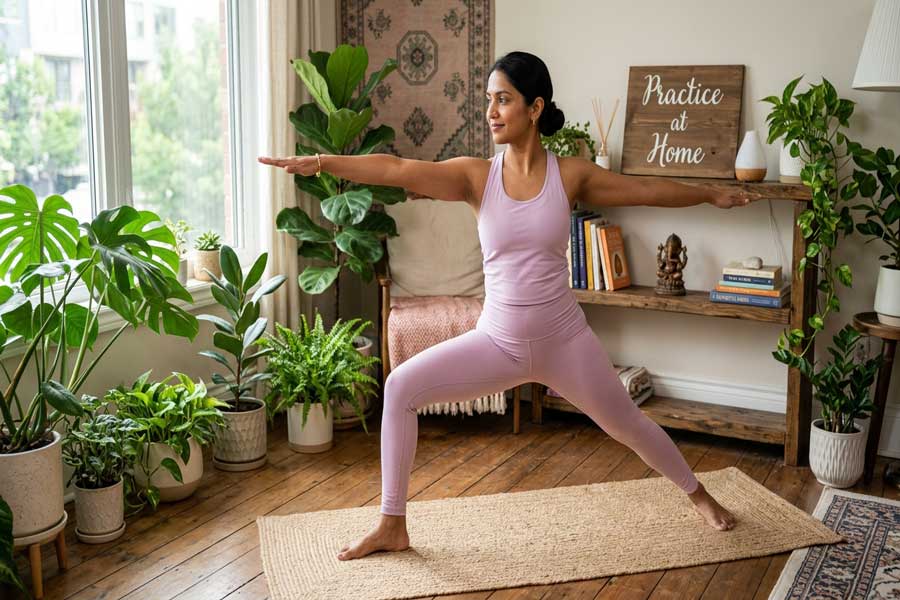
Vinyasa yoga is based on three important elements that create a balanced practice.
1. Breath and Movement
Each movement is connected with inhaling and exhaling. This creates a smooth and natural flow.
2. Flow (Continuous Movement)
Unlike static yoga, vinyasa focuses on continuous transitions between poses.
3. Mindfulness
You stay present and aware of your body and breath during the practice.
Common Vinyasa Yoga Poses
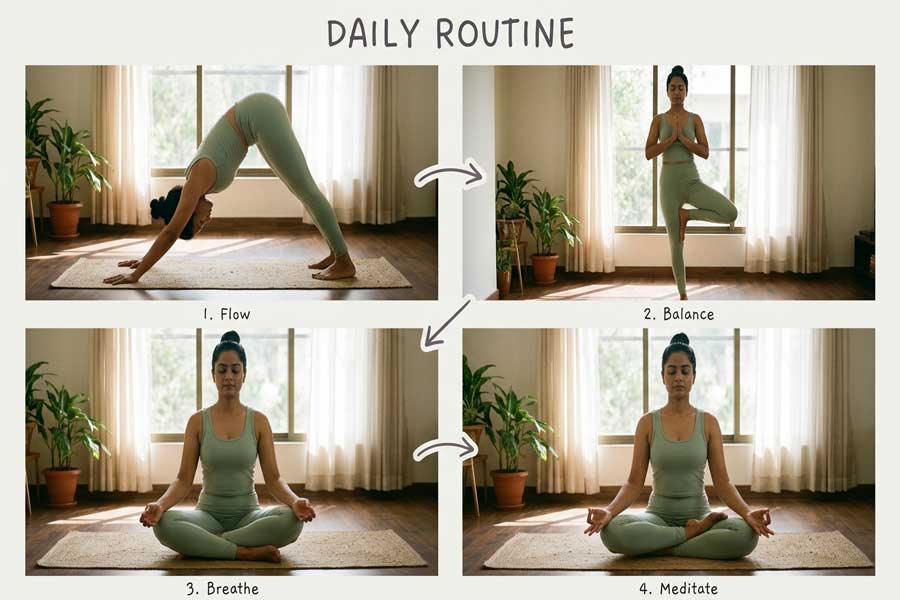
Basic Vinyasa Yoga Poses for Beginners
If you are a beginner, you can start with simple poses commonly used in a yoga flow practice. These poses help build strength, improve flexibility, and support better balance.
1. Downward Dog (Adho Mukha Svanasana)
A foundational pose that stretches the full body and improves flexibility.
2. Plank Pose
Builds core strength and improves overall stability.
3. Cobra Pose (Bhujangasana)
Strengthens the back and improves spine flexibility.
4. Warrior Pose (Virabhadrasana)
Enhances strength, balance, and body control.
How to Practice Vinyasa Yoga at Home?
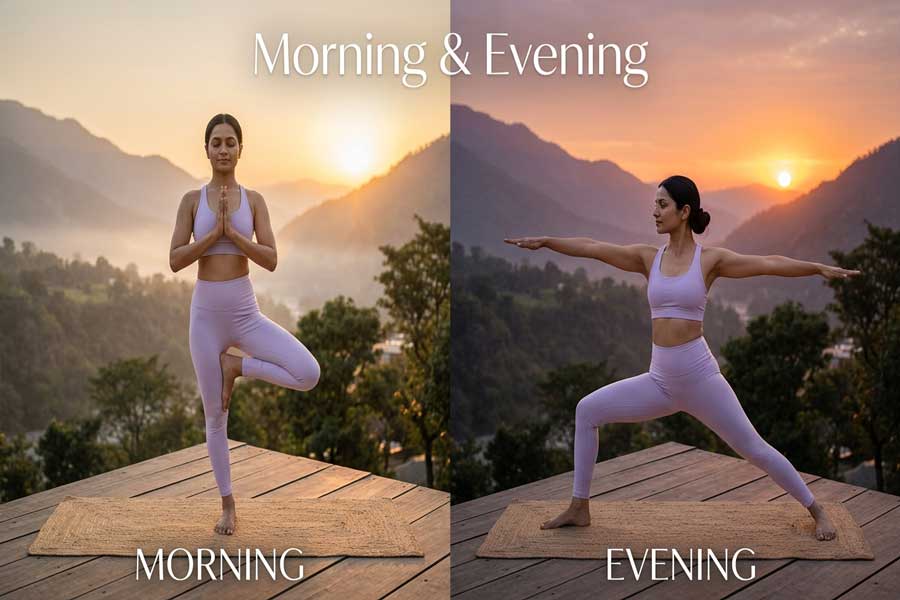
Starting yoga at home is simple and convenient.
Step-by-step guide:
- Choose a clean and quiet space
- Use a comfortable yoga mat
- Start with basic poses
- Focus on breathing with each movement
- Practice for 15–30 minutes daily
Consistency is key. Even short daily sessions can bring great results.
Vinyasa Yoga Tips for Beginners
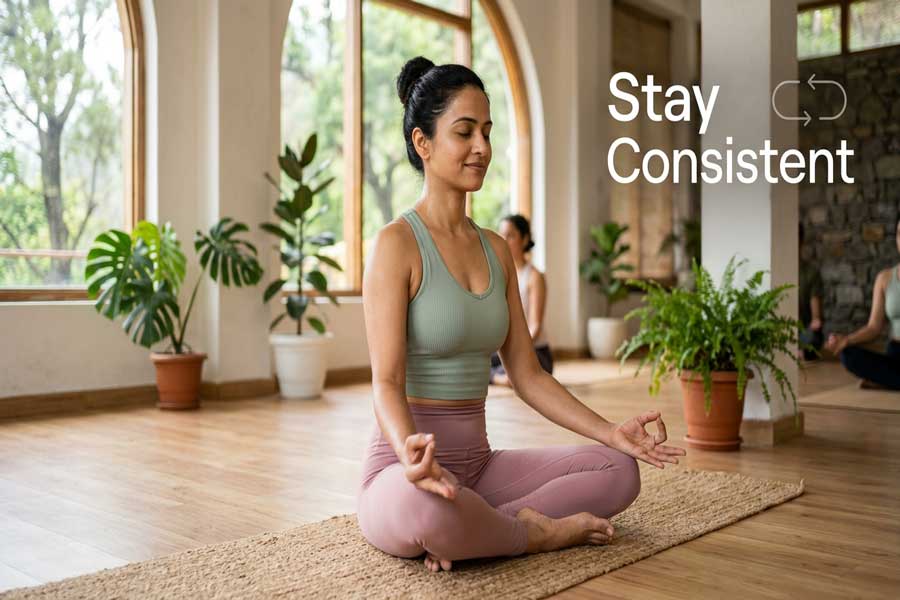
Tips for Beginner Yoga Practice
1. Start Slow
Do not rush. Focus on learning the basics step by step.
2. Focus on Your Breath
Breathing plays an important role in every yoga flow. Stay aware of your inhale and exhale.
3. Stay Hydrated
Drink enough water before and after your practice to keep your body active.
4. Listen to Your Body
Avoid pushing yourself too hard. Move at your own pace and stay comfortable.
Vinyasa Yoga vs Other Yoga Styles
This yoga flow is often compared with other popular styles like Hatha and Ashtanga yoga.
- Vinyasa Yoga: Flow-based and dynamic movement
- Hatha Yoga: Slow-paced and beginner-friendly
- Ashtanga Yoga: Structured and more intense practice
This style offers a good balance between movement and relaxation, making it suitable for beginners as well as regular practitioners.
Final Thoughts
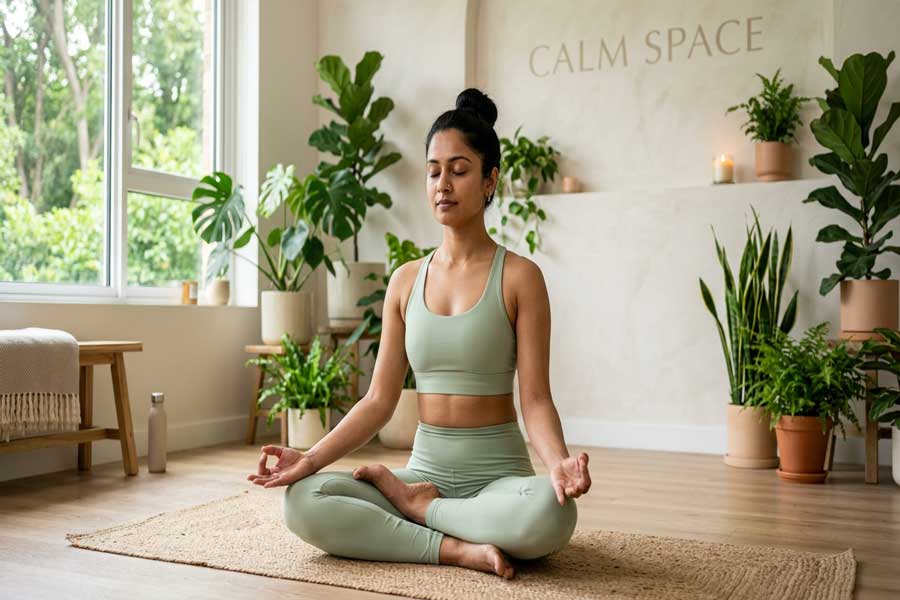
Vinyasa yoga is a powerful practice that combines movement, breathing, and mindfulness. It helps improve physical fitness, reduce stress, and create mental balance in a natural way.
Whether you are a beginner or someone looking to try a new yoga style, this yoga flow can be a great addition to your daily routine.
Start small, stay consistent, and enjoy the journey. Over time, you will notice positive changes in your body, mind, and overall lifestyle.