
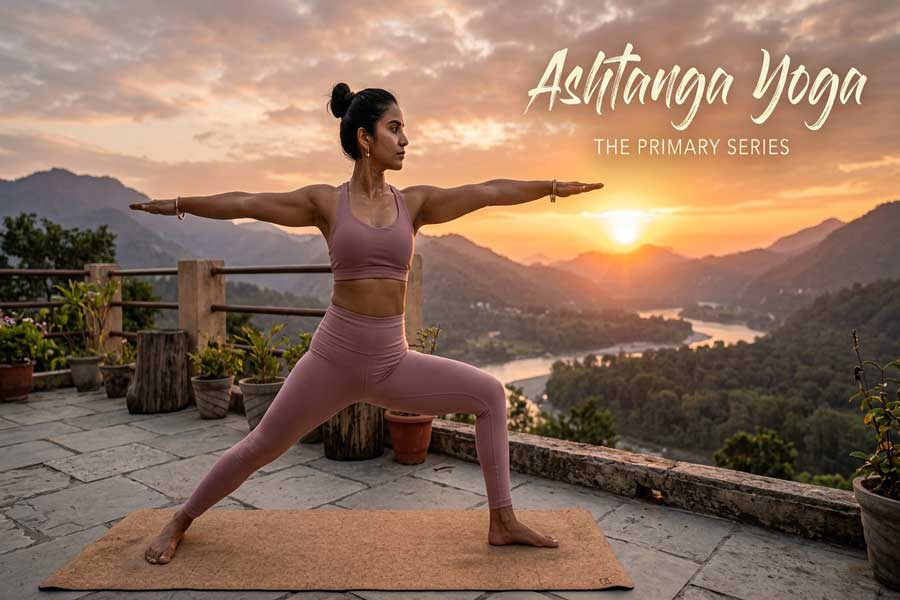
In today’s busy world, many people are searching for a structured and effective way to stay fit while improving mental focus. This is where Ashtanga yoga for beginners becomes a powerful practice. It is a traditional yet dynamic form of yoga that combines strength, flexibility, breathing, and discipline into one complete routine.
Ashtanga yoga is different from many modern yoga styles because it follows a fixed sequence of poses. This makes it ideal for people who prefer a clear structure in their practice. Practicing Ashtanga yoga at home allows you to build consistency, improve physical fitness, and develop mental strength without relying on external classes.
If you are looking for a yoga style that challenges your body while improving focus and discipline, Ashtanga yoga can be a great choice.
What is Ashtanga Yoga for Beginners ?
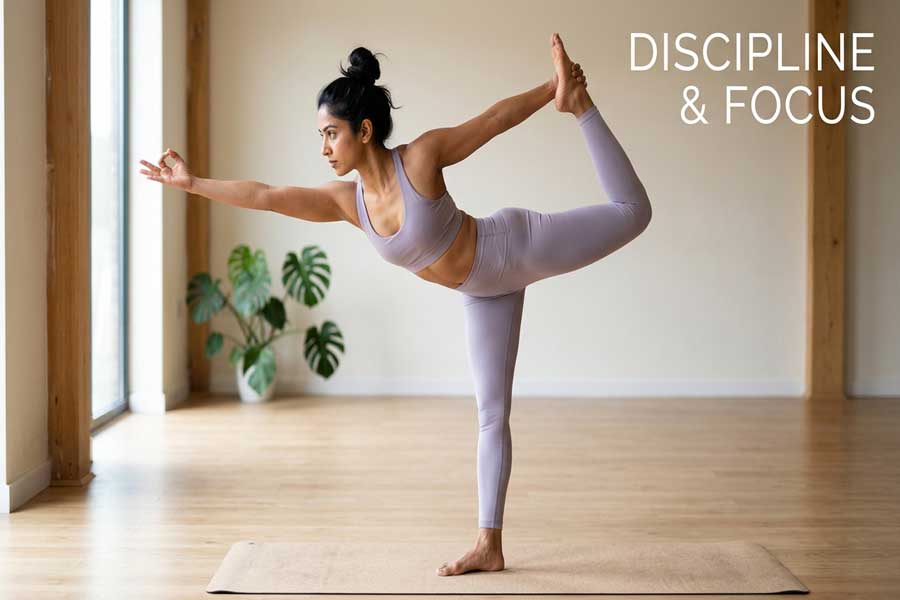
Ashtanga yoga is a traditional yoga system that follows a specific sequence of poses performed in a particular order. Each movement is connected with breath, creating a steady and controlled flow.
The term “Ashtanga” means eight limbs, which represent the eight steps of yoga philosophy:
- Yama (ethical rules)
- Niyama (self-discipline)
- Asana (postures)
- Pranayama (breathing)
- Pratyahara (sense control)
- Dharana (concentration)
- Dhyana (meditation)
- Samadhi (inner peace)
In modern practice, Ashtanga yoga mainly focuses on physical postures, breathing, and concentration.
Why Choose Ashtanga Yoga for Beginners at Home ?
Practicing Ashtanga yoga at home offers many advantages, especially for beginners.
1. Build Discipline with Ashtanga Yoga
Since Ashtanga follows a fixed sequence, it helps you develop a strong daily routine.
2. Flexible Schedule
You can practice anytime without depending on class timings.
3. Cost-Effective
No need for expensive memberships or travel.
4. Personal Growth
Practicing alone helps you focus more deeply on your progress.
Benefits of Ashtanga Yoga for Beginners
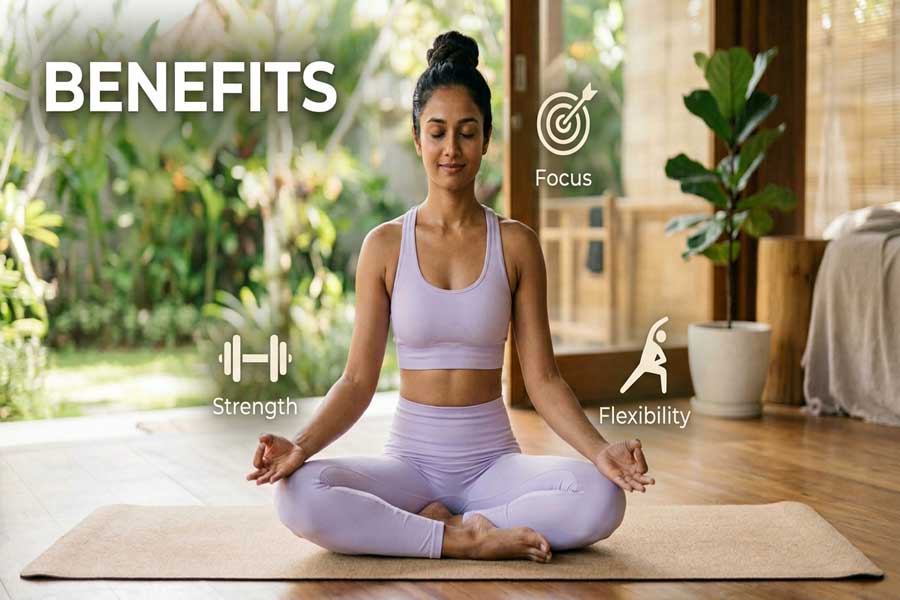
Ashtanga yoga offers a wide range of benefits when practiced regularly.
1. Builds Strength and Endurance
The sequence includes many strength-based poses that improve muscle power and stamina.
2. Improves Flexibility
Regular stretching helps increase flexibility and reduce stiffness.
3. Enhances Mental Focus
The structured sequence and breathing improve concentration and awareness.
4. Supports Weight Management
The continuous movement burns calories and improves metabolism.
5. Reduces Stress
Breathing and focus help calm the mind and reduce anxiety.
Key Elements of Ashtanga Yoga Practice
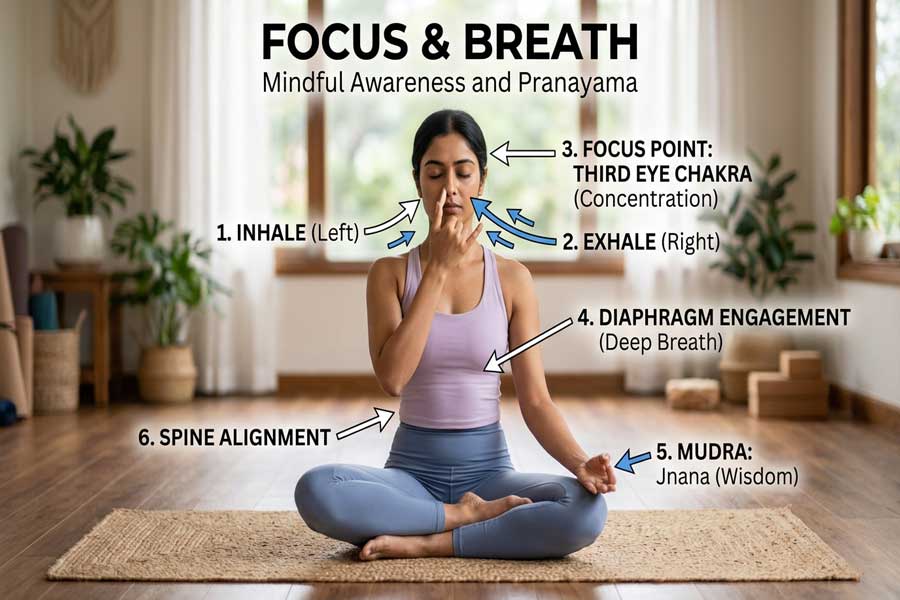
Understanding the core elements helps improve your practice.
1. Fixed Sequence
Unlike other styles, Ashtanga follows a set order of poses.
2. Breath Control
Each movement is linked with breathing.
3. Drishti (Focus Point)
You focus your gaze at specific points to improve concentration.
4. Bandhas (Energy Locks)
These help control energy and improve stability.
Basic Ashtanga Yoga for Beginners
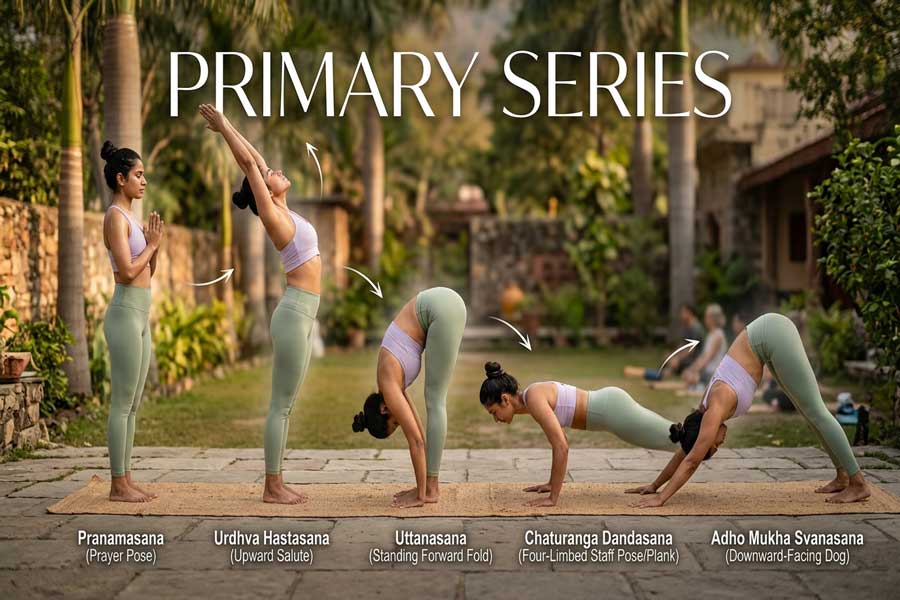
If you are starting, focus on basic poses from the primary series.
1. Sun Salutation (Surya Namaskar)
A sequence that warms up the body.
2. Forward Fold
Improves flexibility and relaxes the body.
3. Plank Pose
Builds strength and stability.
4. Downward Dog
Stretches the entire body.
5. Seated Forward Bend
Improves flexibility and focus.
How to Practice Ashtanga Yoga for Beginners at Home ?
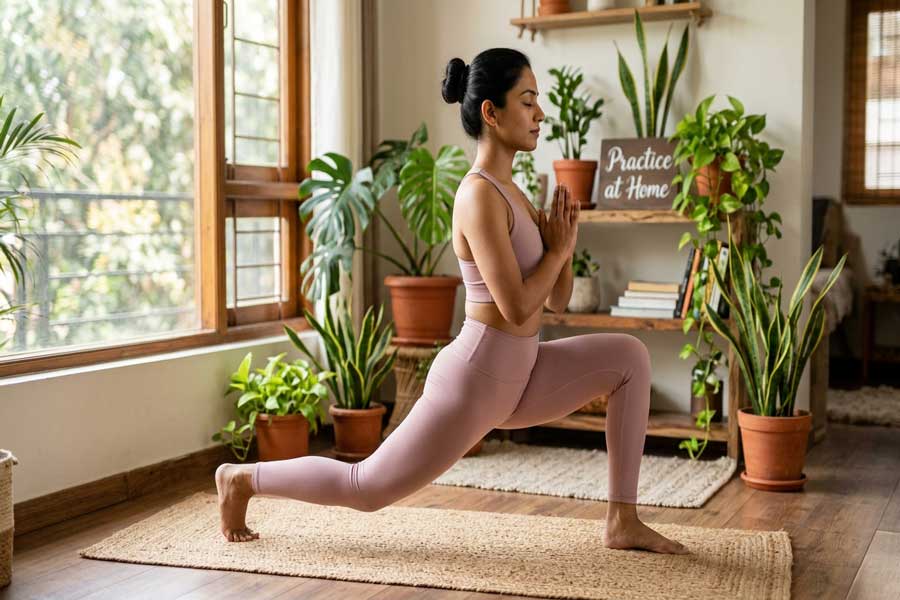
Starting at home is simple with the right approach.
Step-by-step guide:
- Choose a quiet space
- Use a good yoga mat
- Follow a simple sequence
- Focus on breathing
- Practice regularly
Consistency is more important than intensity.
Tips for Ashtanga Yoga Beginners
1. Start Slowly
Do not try advanced poses in the beginning.
2.Breathing Technique in Ashtanga Yoga
Breathing is key in Ashtanga yoga.
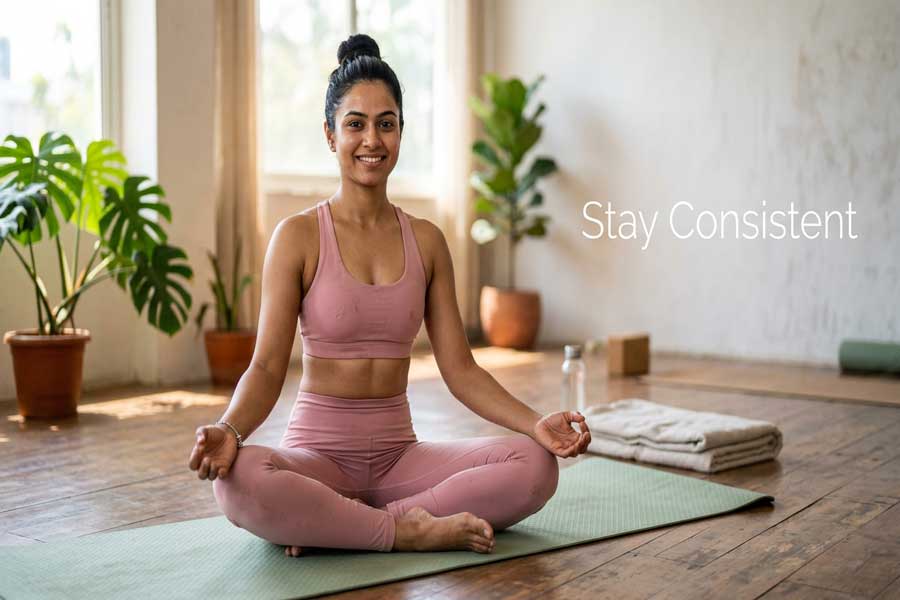
3. Stay Consistent
Practice daily for better results.
4. Listen to Your Body
Avoid pushing yourself too hard.
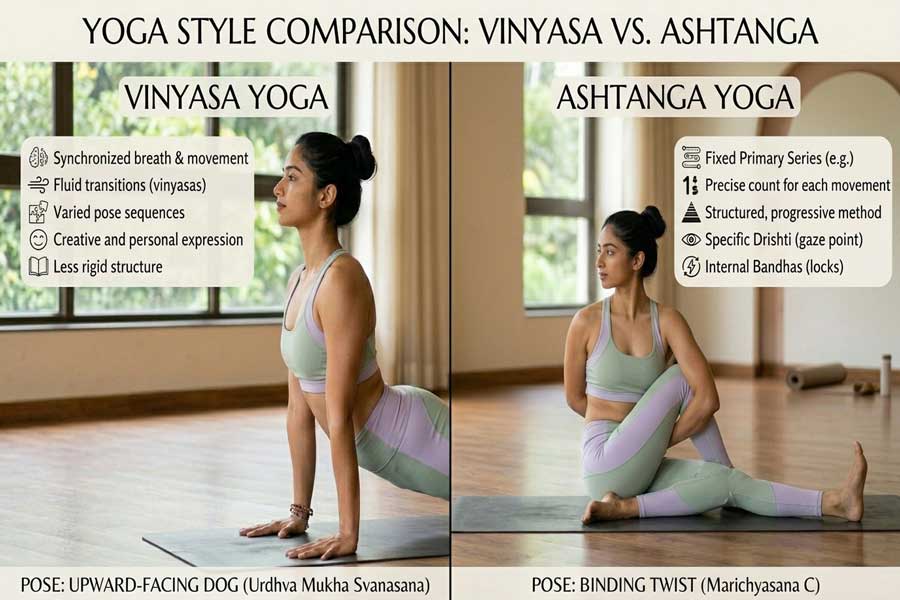
Ashtanga Yoga Practice vs Other Yoga Styles
Ashtanga yoga is often compared with other styles.
- Ashtanga Yoga: Structured and intense
- Vinyasa Yoga: Flow-based and dynamic
- Hatha Yoga: Slow and beginner-friendly
Ashtanga yoga is best for those who like discipline and structured routines.
Creating a Perfect Practice Space
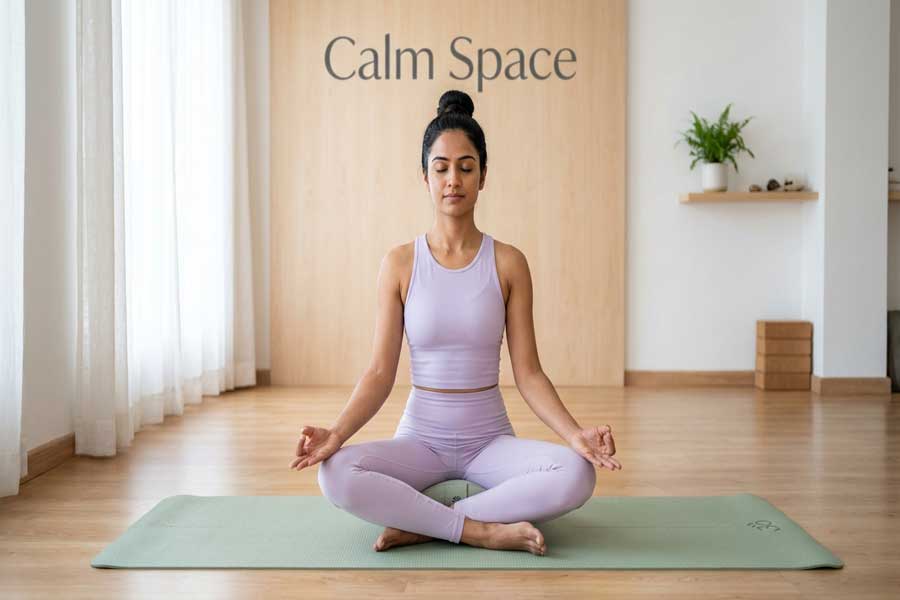
A calm environment improves your experience.
- Keep your space clean
- Use natural light
- Avoid distractions
- Maintain a peaceful atmosphere
Final Thoughts
Ashtanga yoga is a powerful practice that combines strength, flexibility, and discipline. It helps improve physical fitness while building mental focus and consistency.
Practicing at home allows you to develop a strong routine and grow at your own pace. Even a short daily session can bring noticeable changes over time.
Start simple, stay consistent, and enjoy the journey. With regular practice, Ashtanga yoga can become a lifelong habit that supports a healthy and balanced lifestyle.